 Sideris
Press kit
Everything needed to write about Sideris: the artwork, the screenshots, the facts and some copy to quote. Take what you need without asking first. If something is missing, write to [email protected] and I will send it.
The facts
- Name
- Sideris
- Developer
- Sideris Studio (independent developer)
- Platforms
- Android 7.0 and later, iOS 15 and later. Phones and tablets. There is no desktop or web version.
- Price
- Free to install. The first ten plate solves are free, and unlimited solving is a one-time purchase of $9.99 or €9.99. There is no subscription and nothing expires.
- Category
- Education on Google Play. Education on the App Store, with Reference as the secondary category.
- Languages
- English
- Version
- 1.2
- Availability
- App Store and Google Play
- Website
- siderisstudio.com
- Press contact
- [email protected]
- Last updated
- 17 October 2026
The whole kit
Icon
Logo with the name
PNG, 1650 by 700, for an article header or a video title. Two versions, which between them cover any layout: the one on its own navy panel may be placed on any ground, and the transparent one sets the name in the same navy for a light page.
Banner
Screenshots
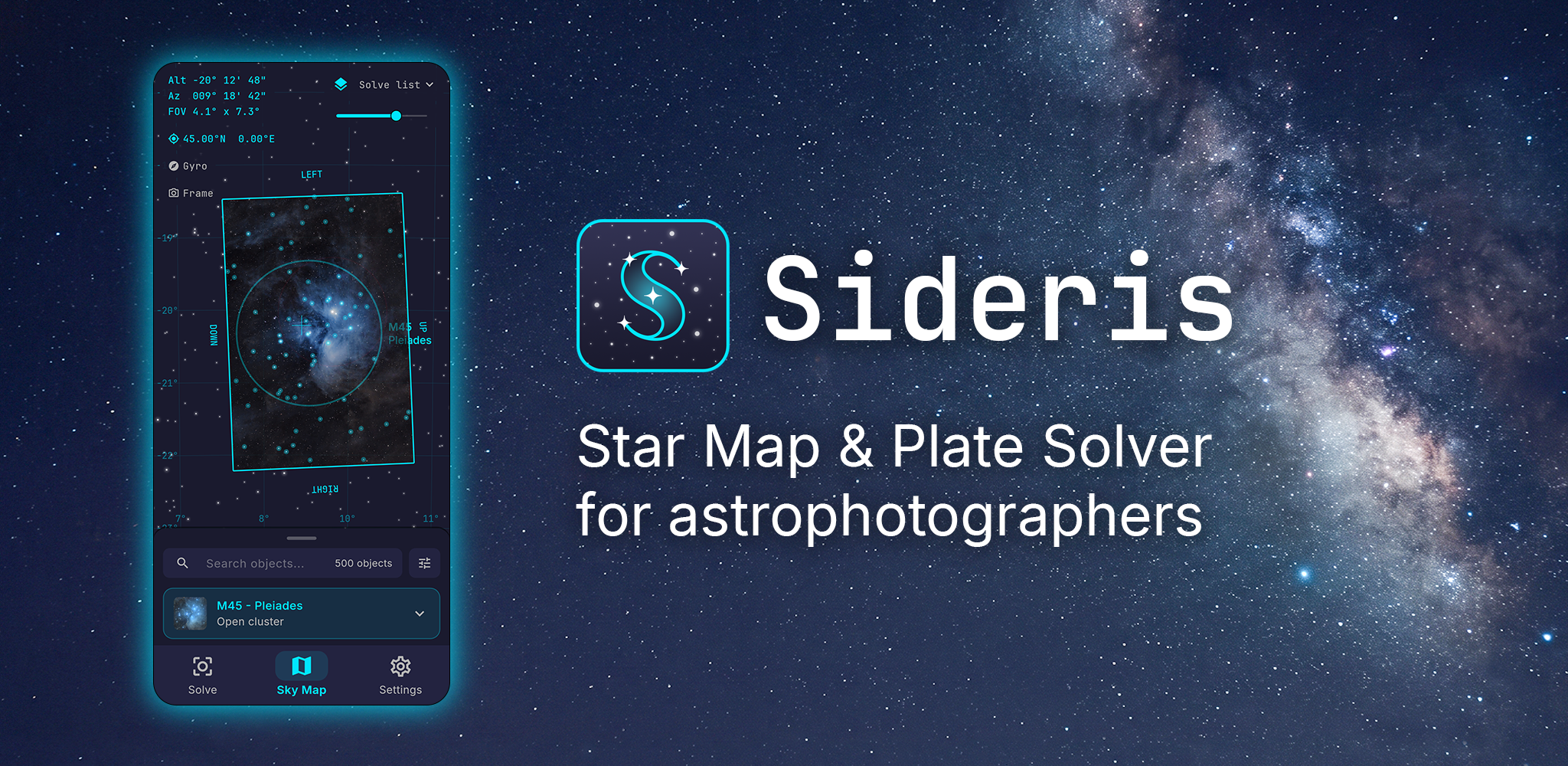
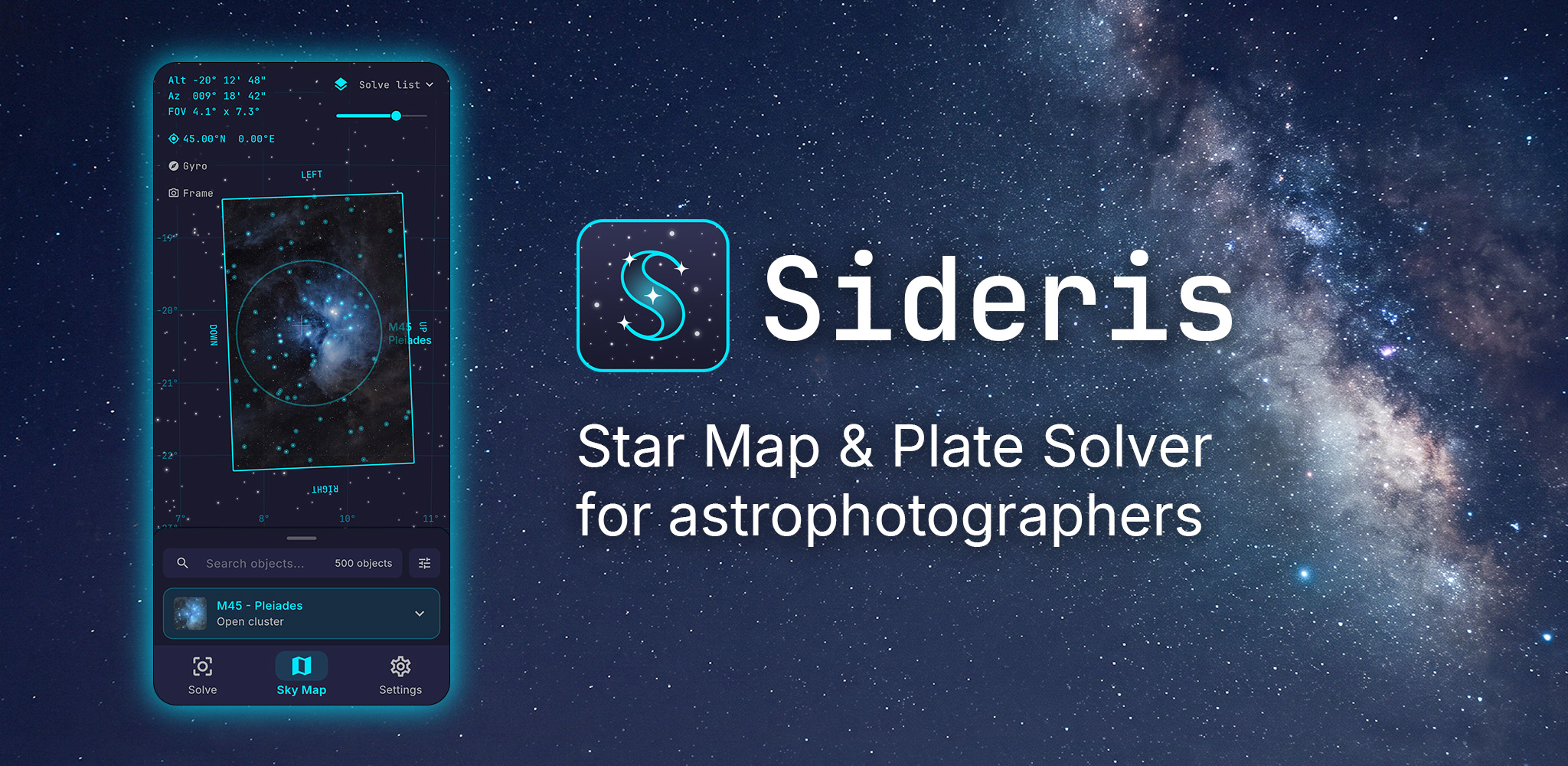
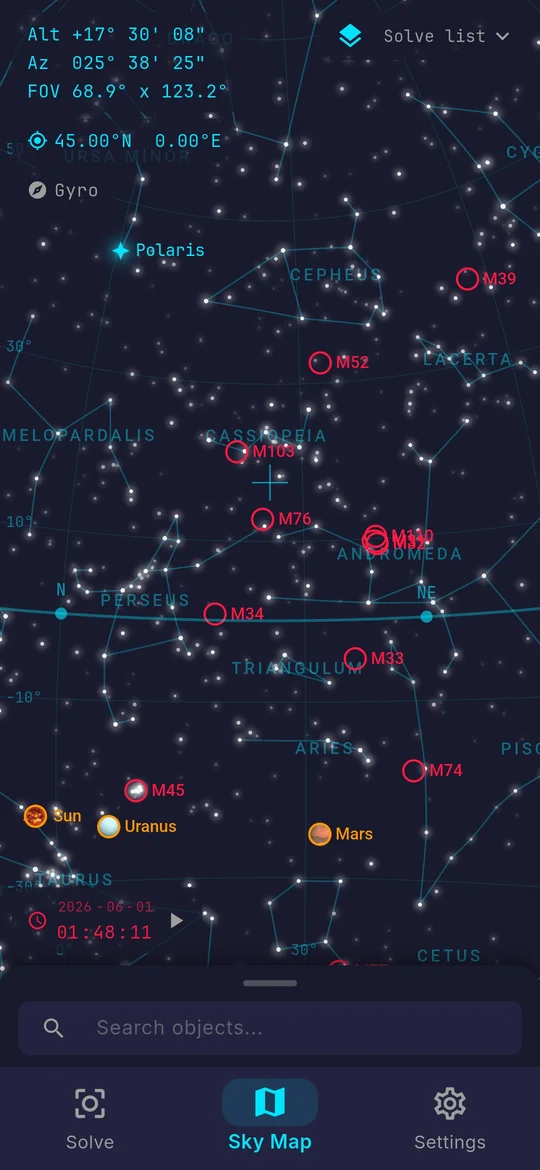
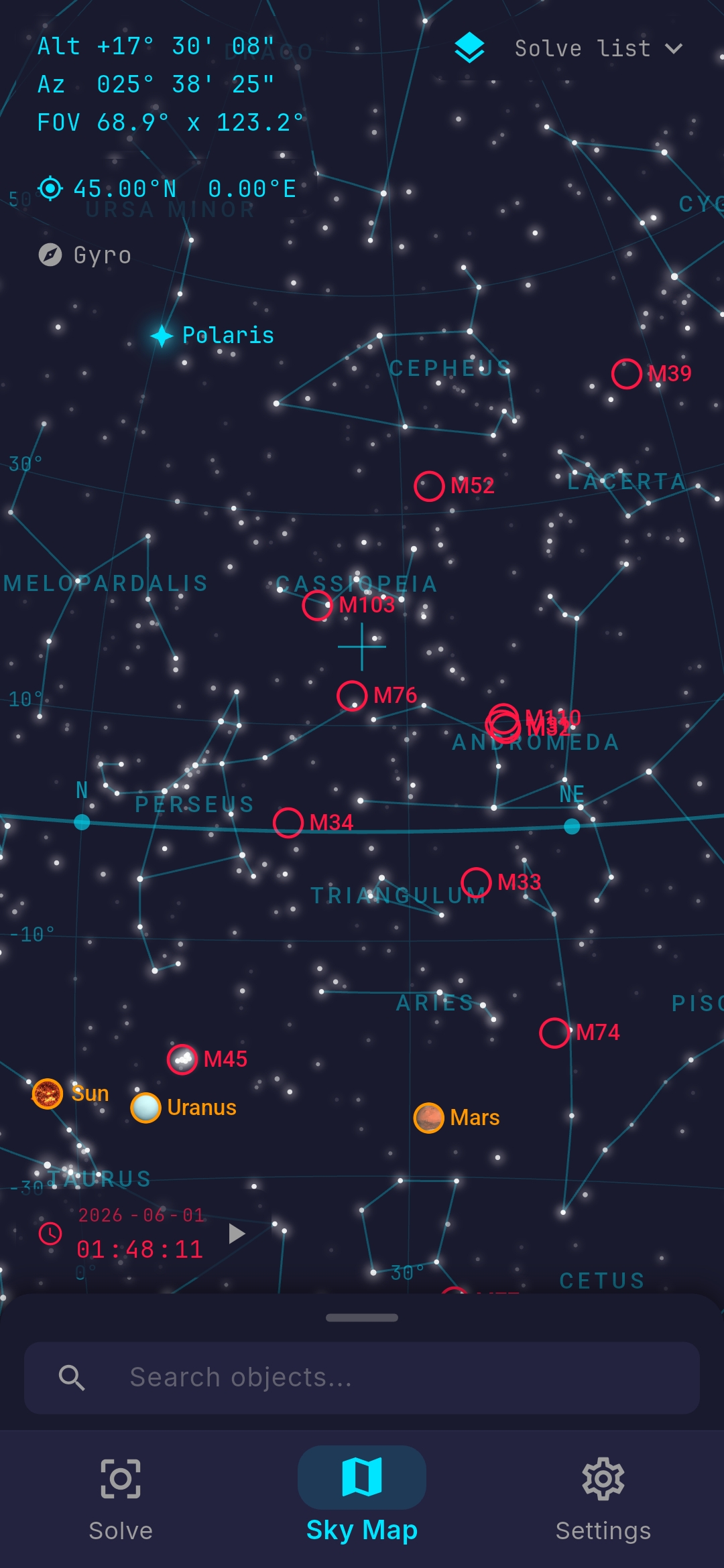
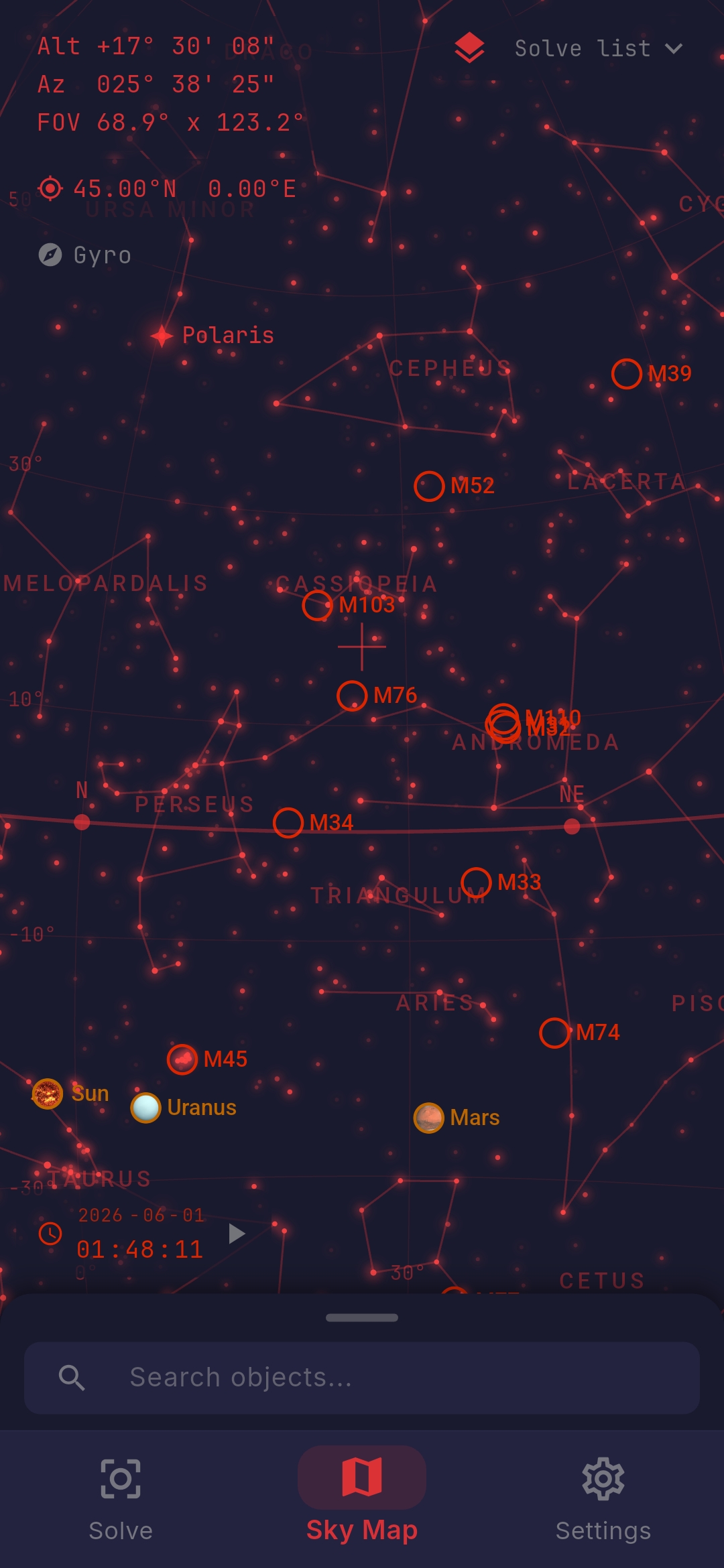
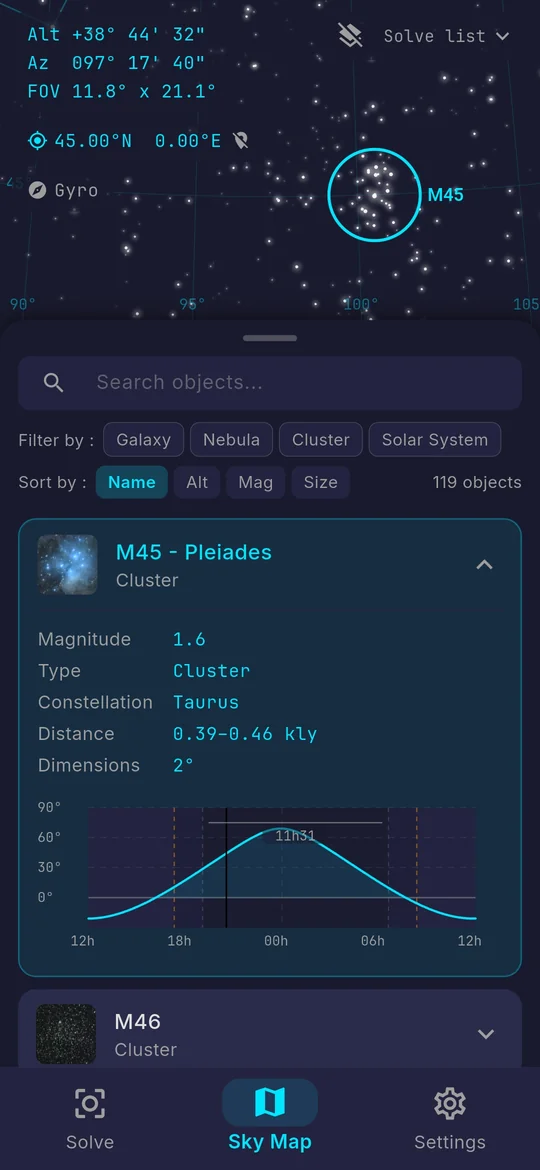
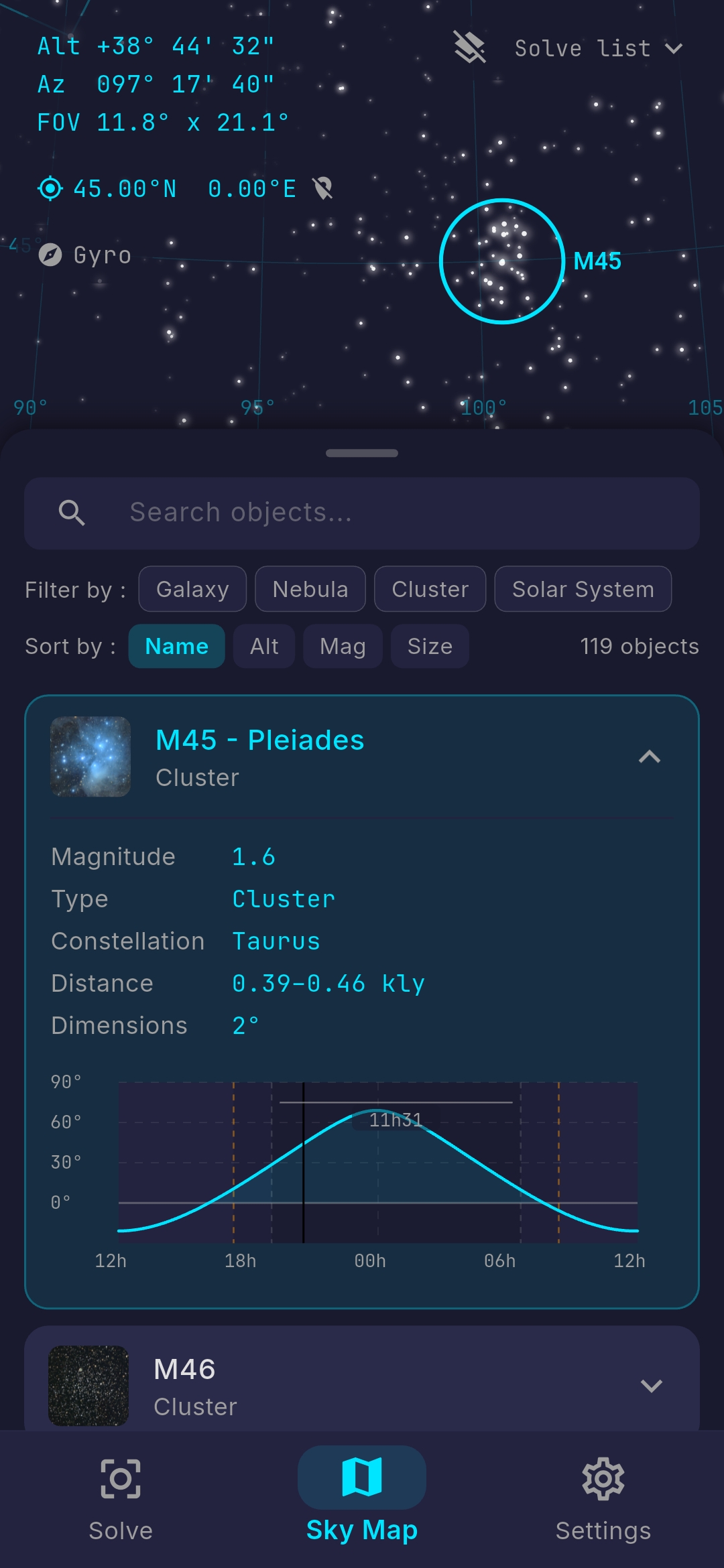
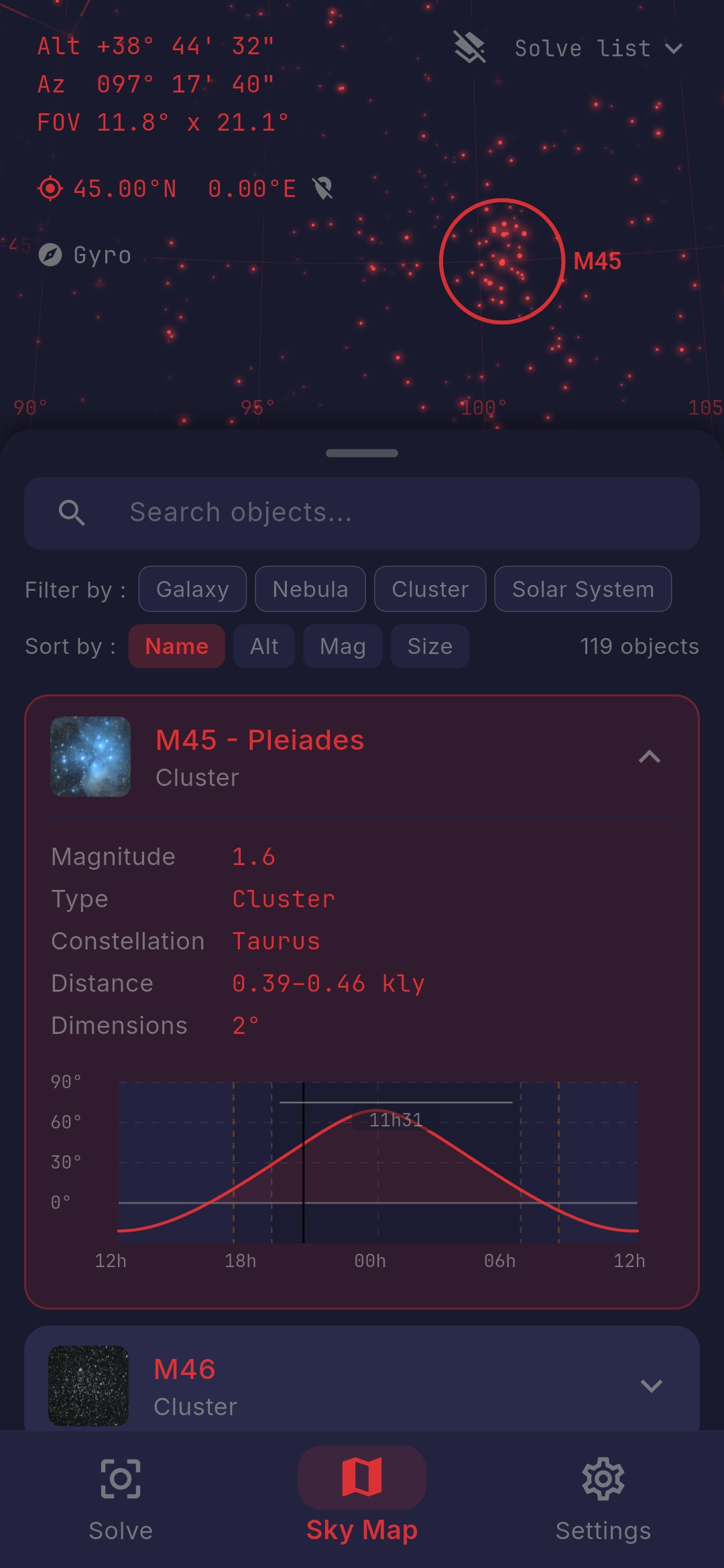
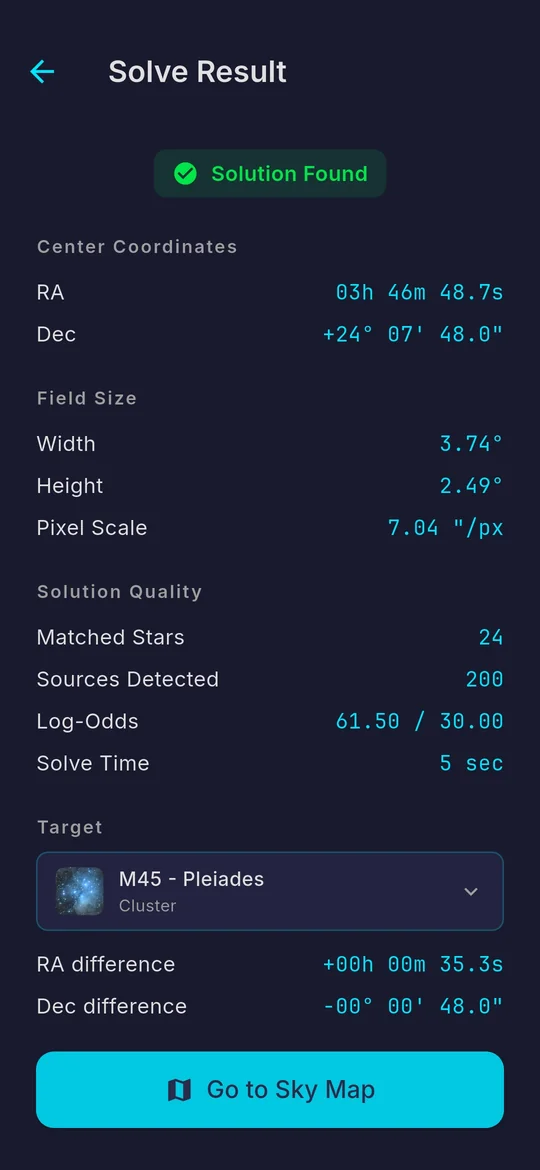
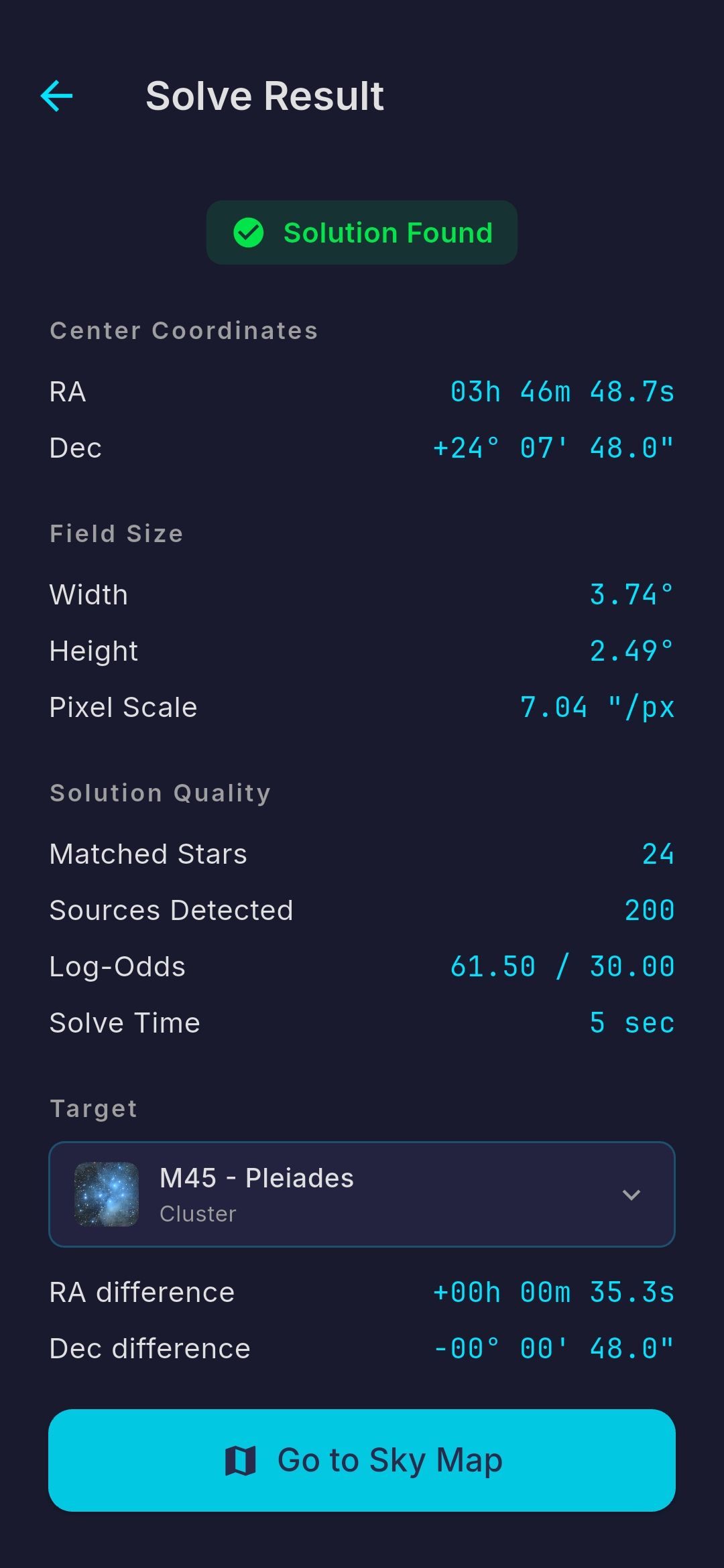
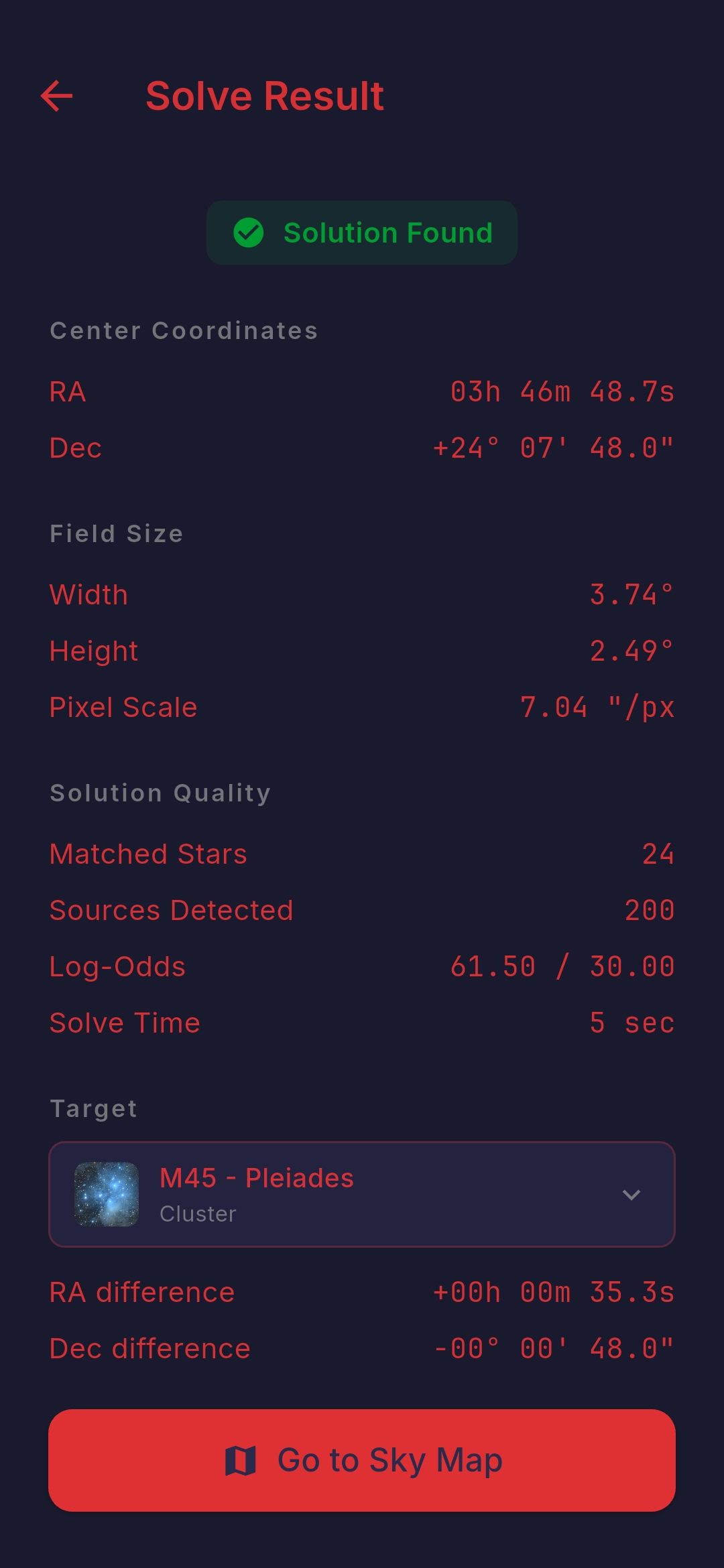
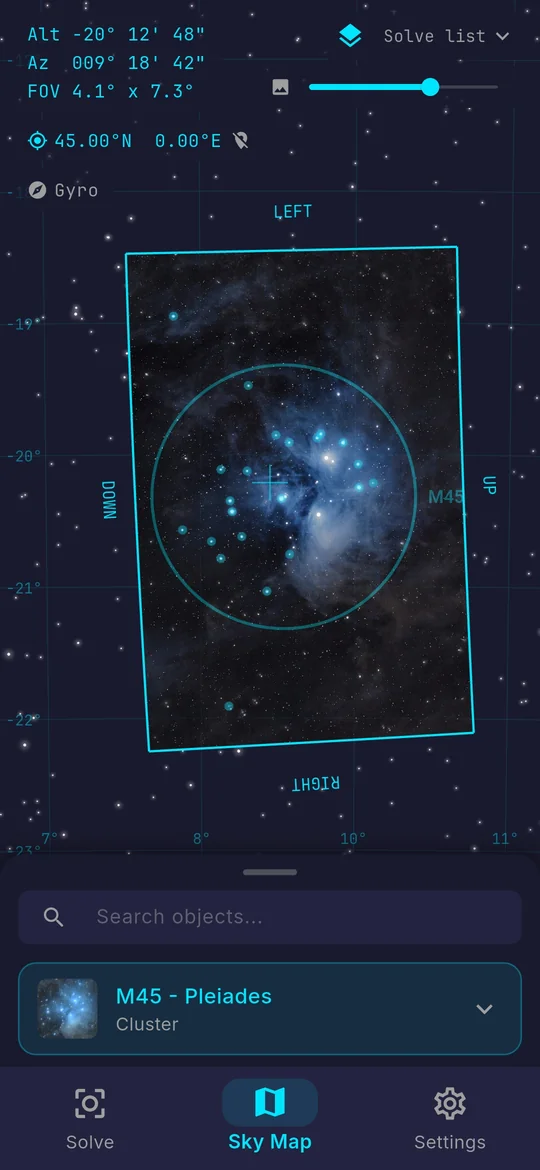
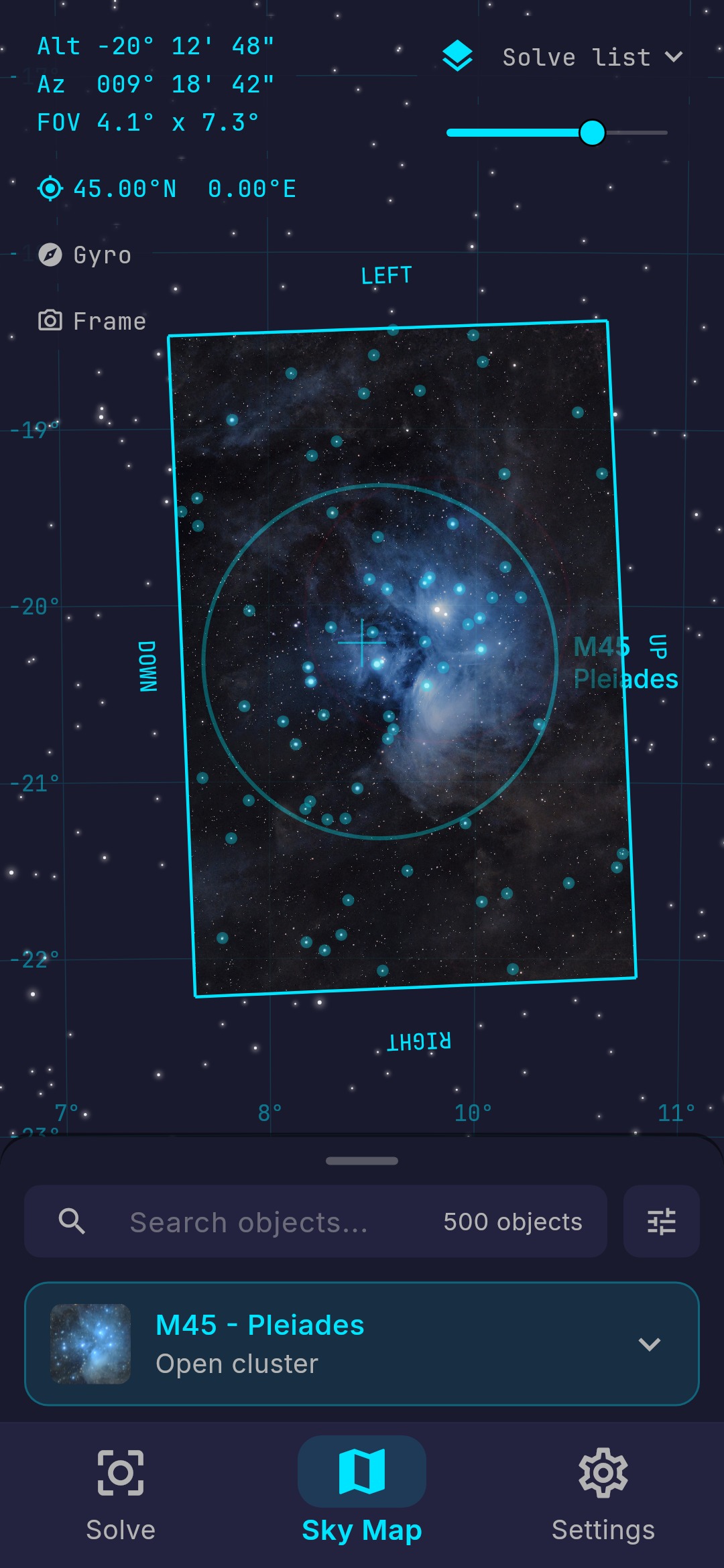
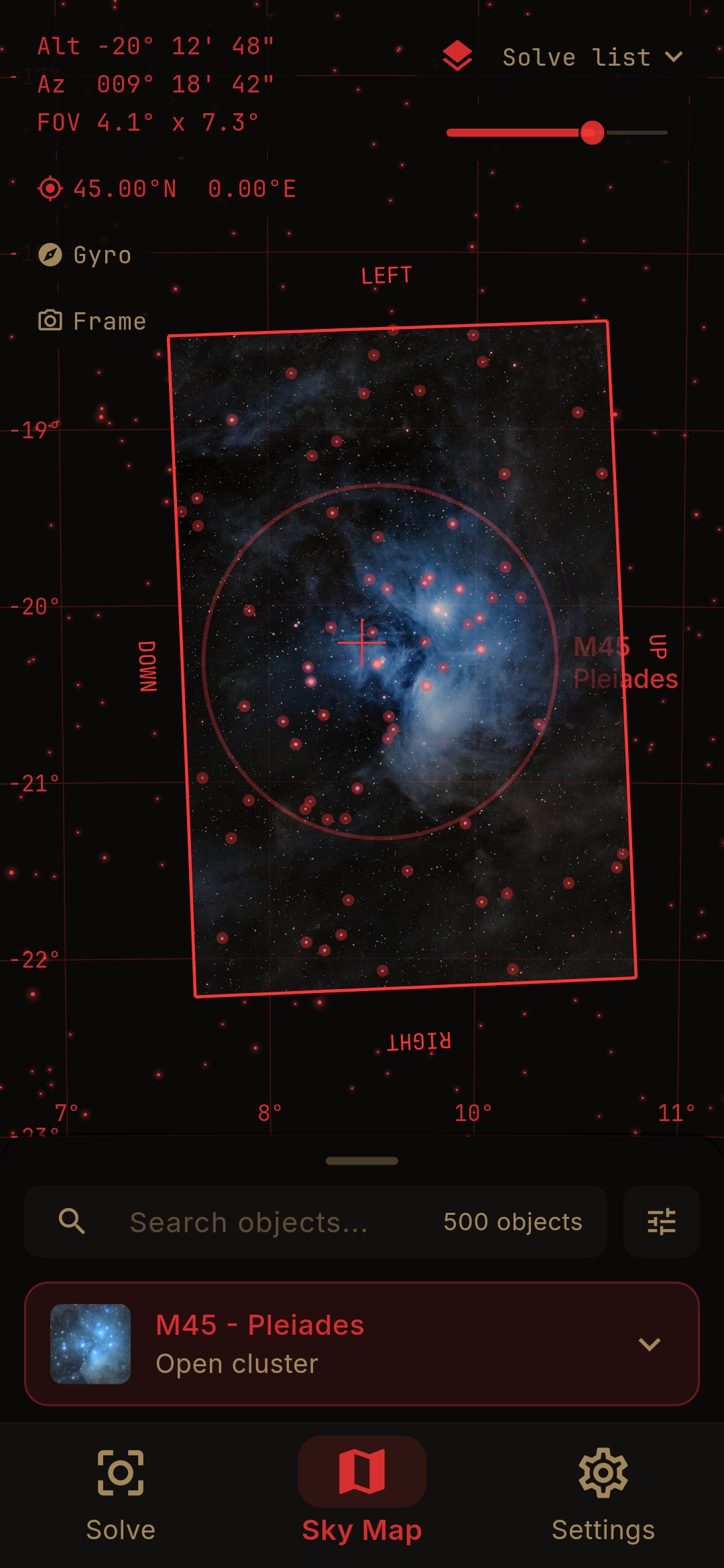
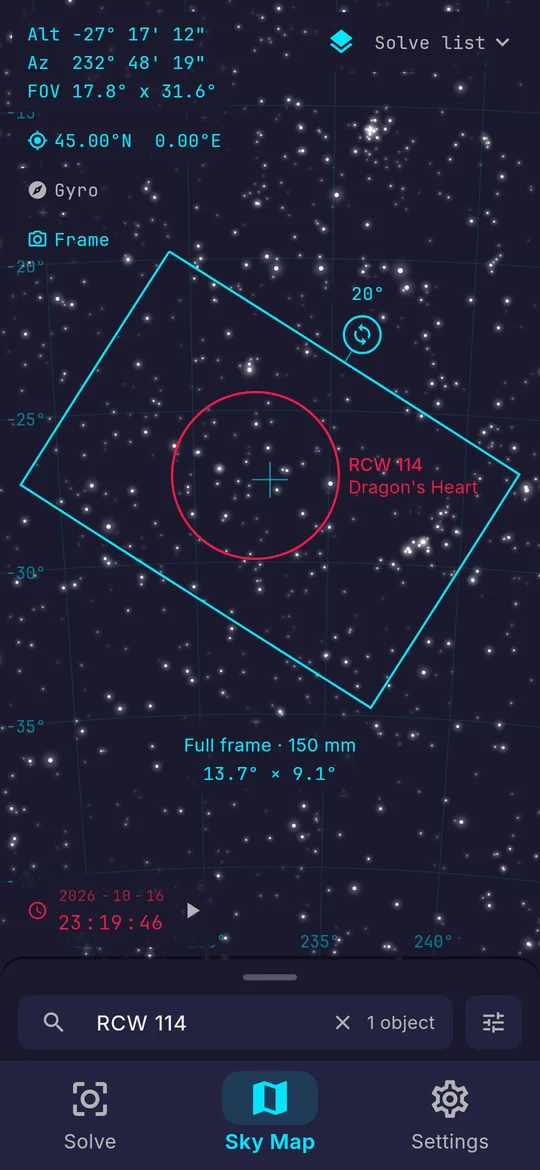
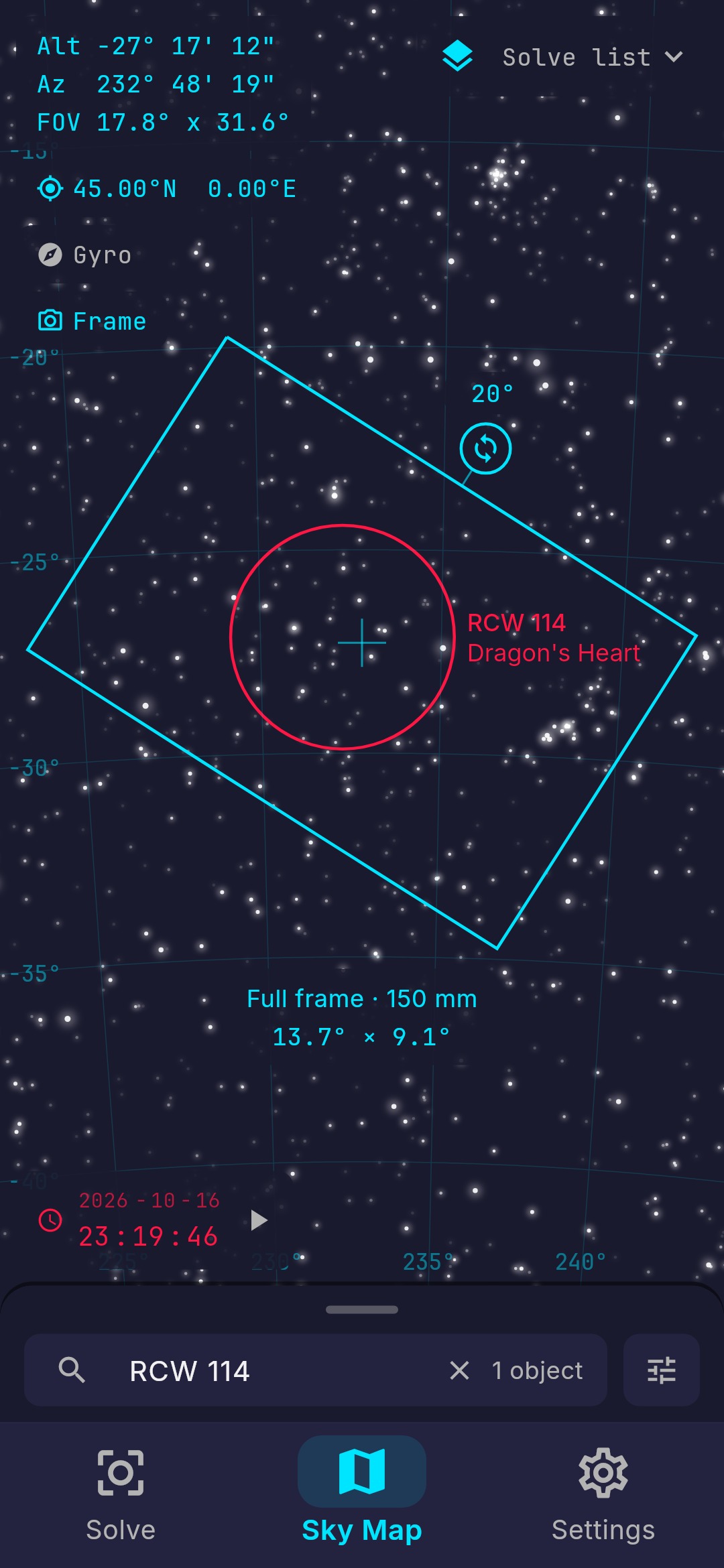
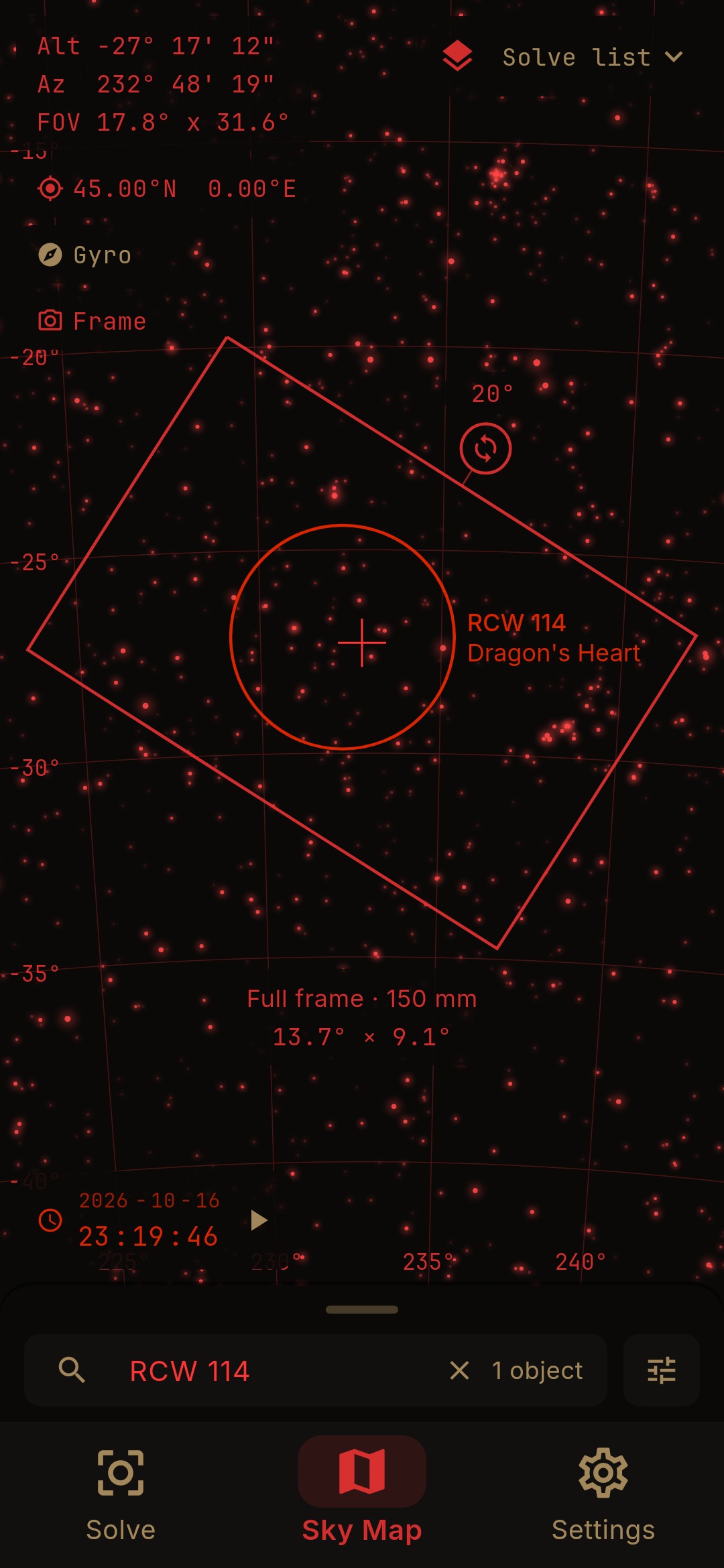
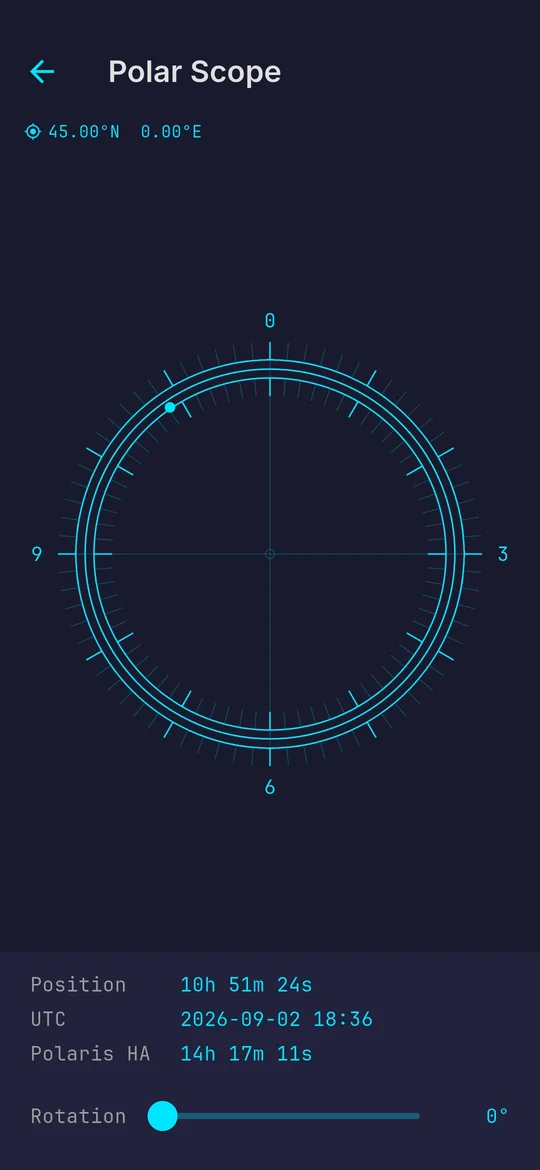
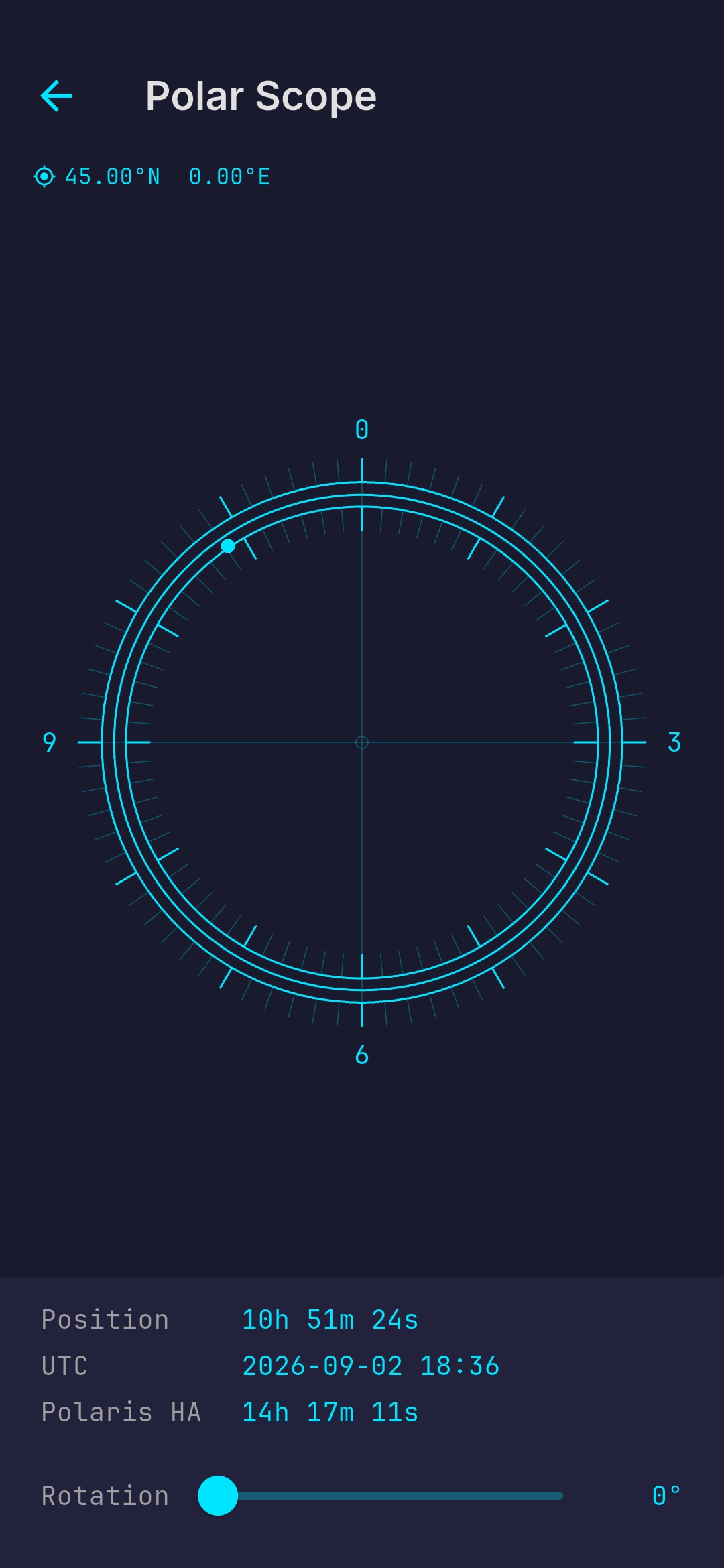
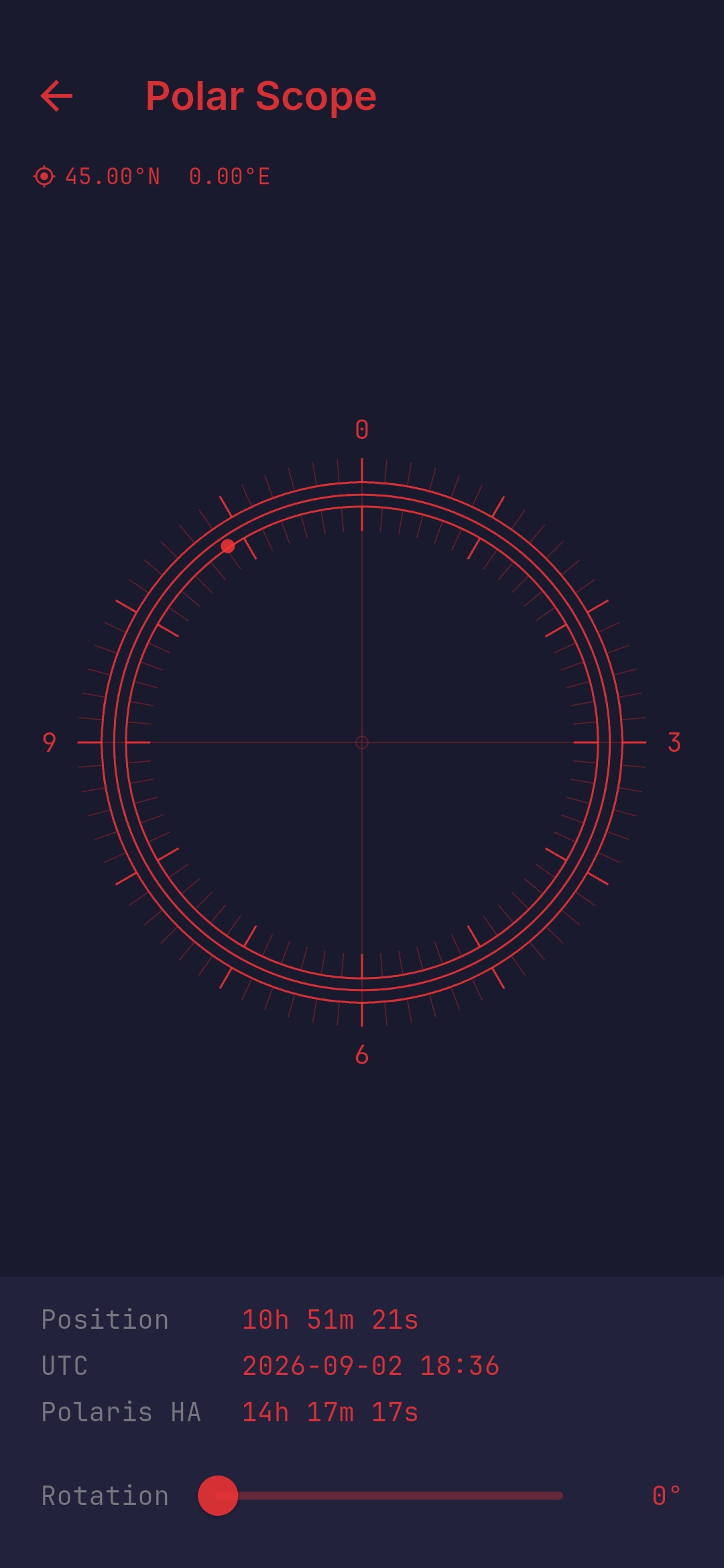
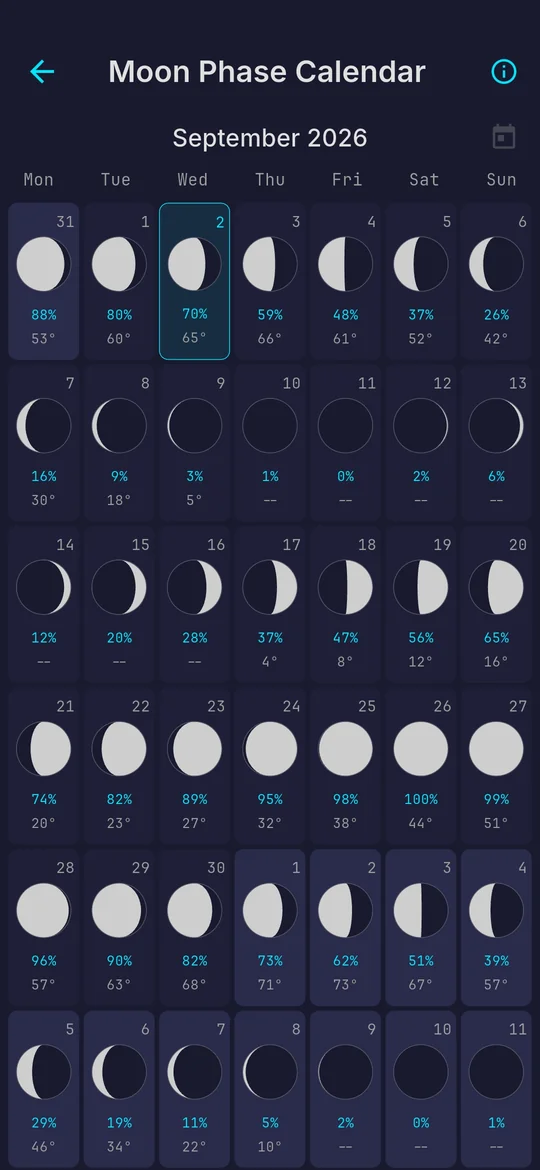
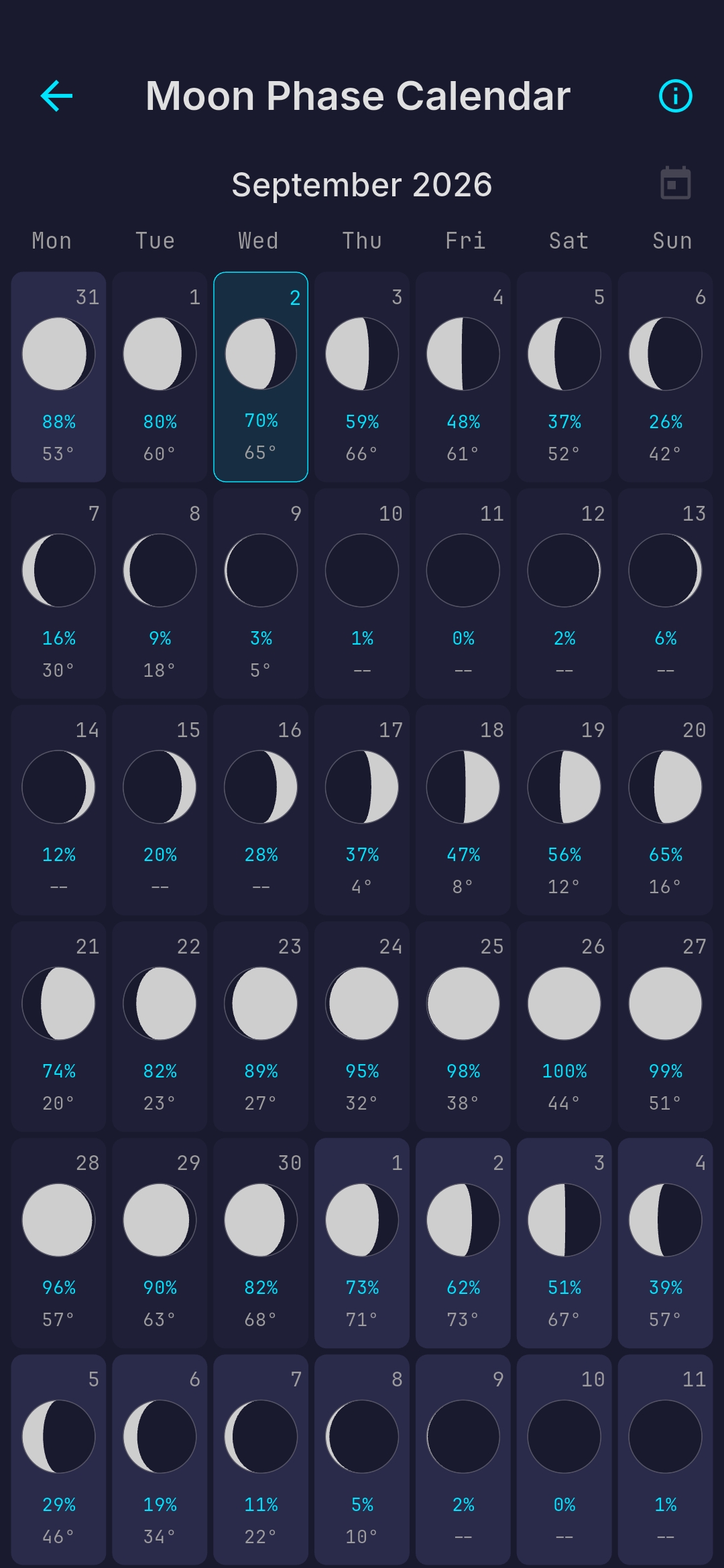
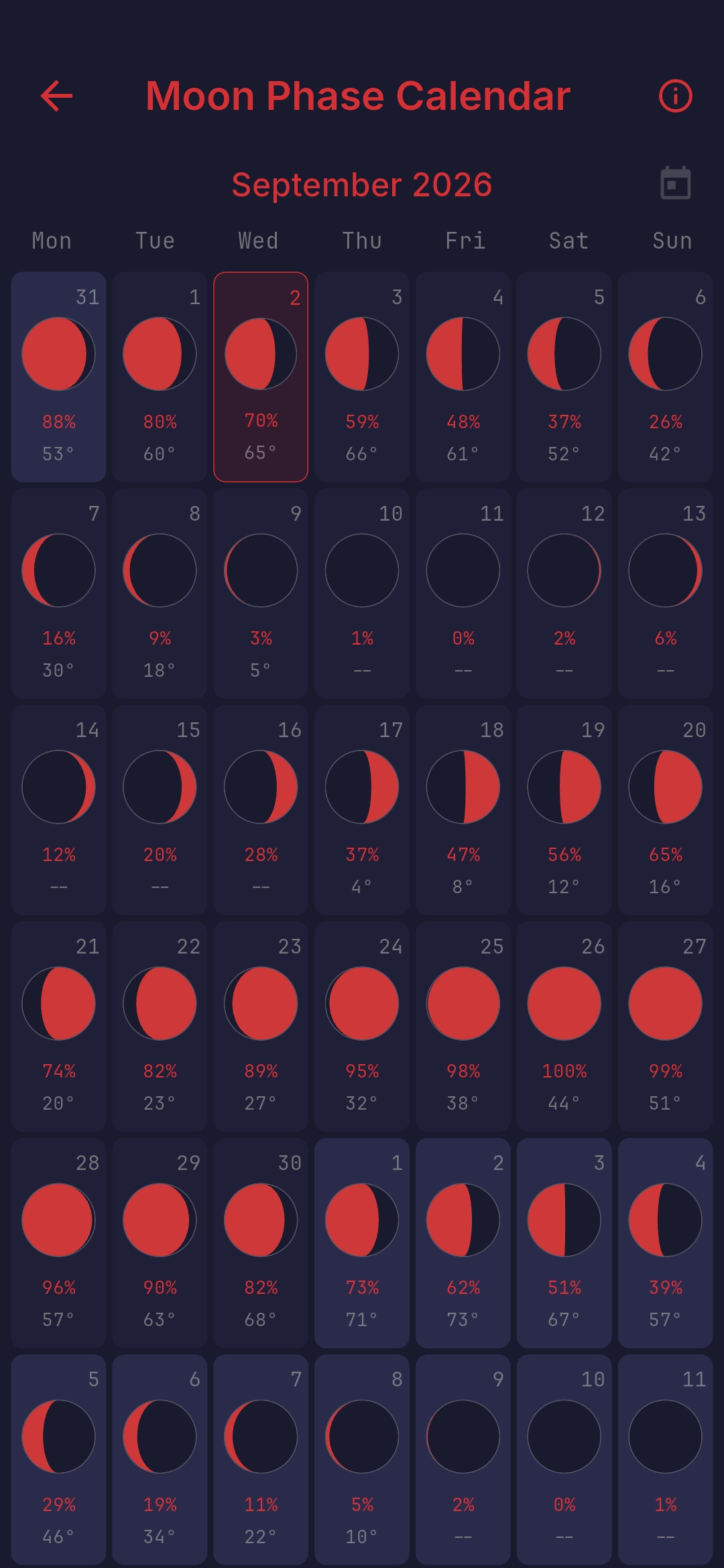
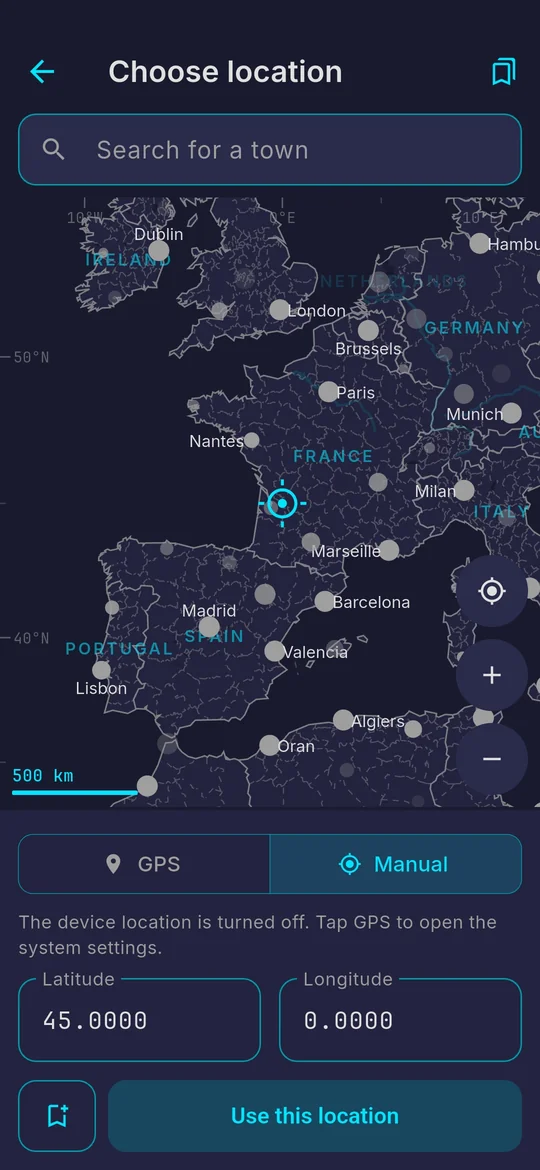
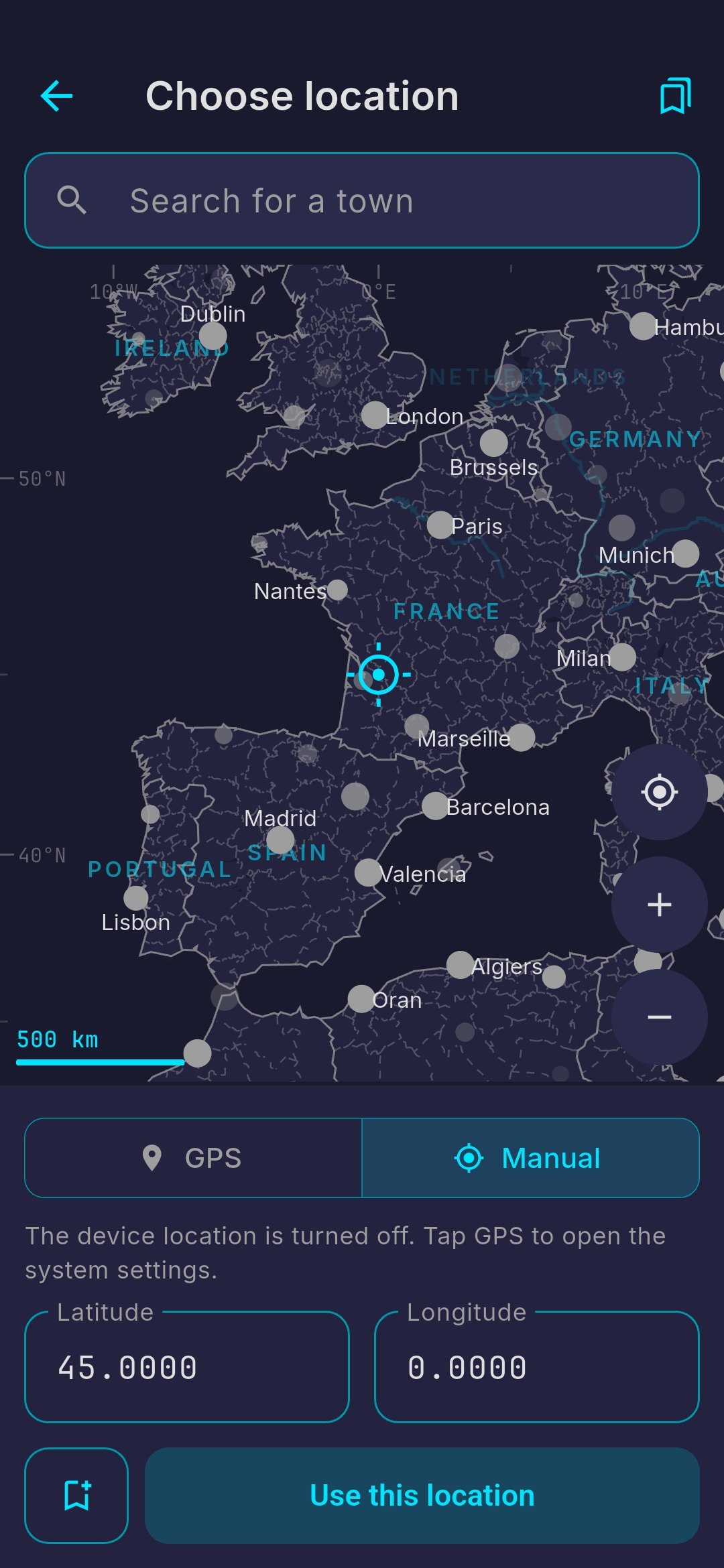
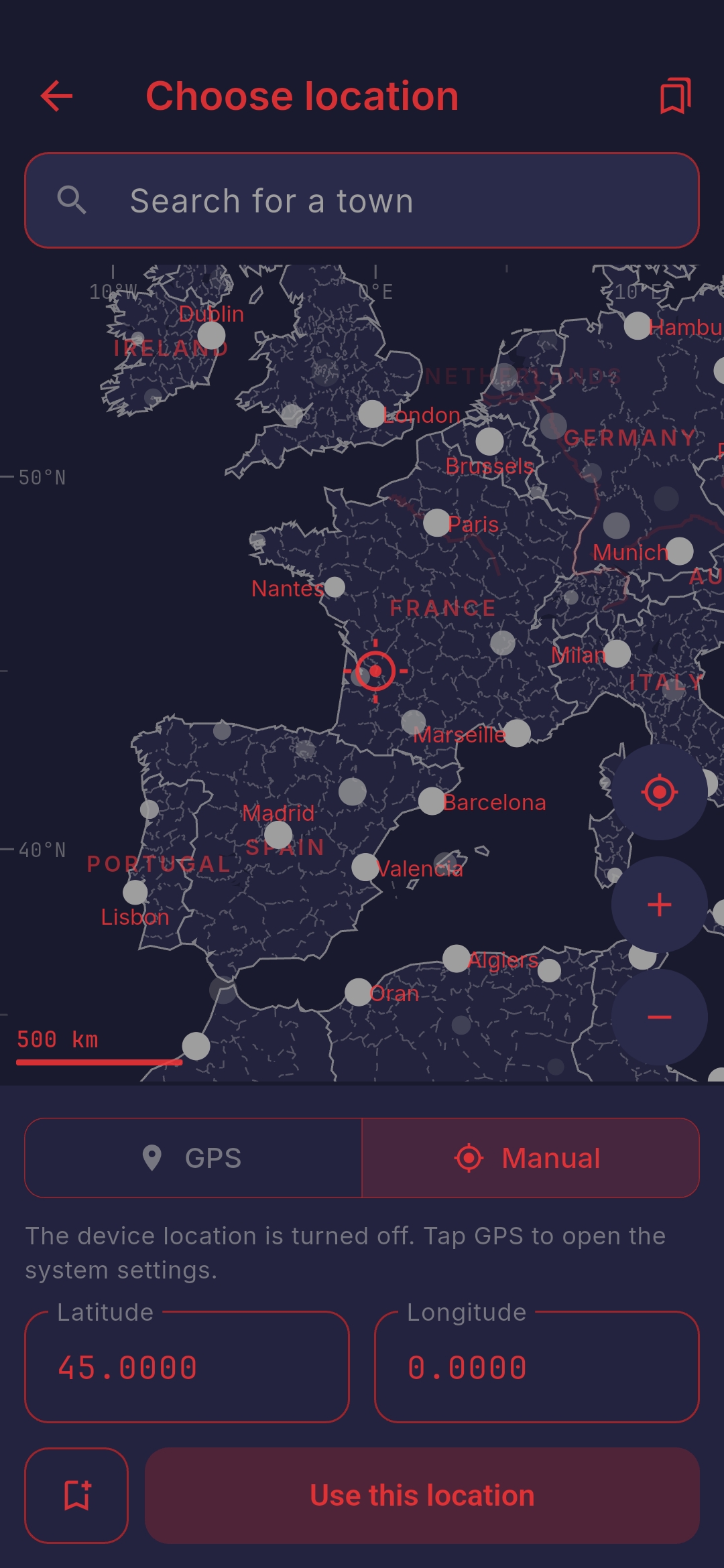
Eight screens, each in the app's day theme and in the red night theme it switches to after dark. JPEG at 1080 by 2340, drawn by the app itself.
Colors and type
The app is drawn in five colors. The navy is the ground of every screen and of the banner; the panel color carries the cards, and it is the navy the name is set in on the transparent logo. Cyan is the accent by day. After dark the accent and the text both turn to the night red, painted at 82 percent over the navy so that it glows rather than shouts.
- Navy#1A1A2E
- Panel#2A2A4A
- Cyan#00E5FF
- Night red#FF3535
- Text#E0E0E0
Two typefaces: Inter for everything written, in Regular, Medium, SemiBold and Bold, and JetBrains Mono for coordinates and other figures, in Regular, Medium and SemiBold. Both are published under the SIL Open Font License, so the seven files ship in the kit's type/ folder with their licenses beside them, and may be used to set a caption or a title in the app's own voice.
Description
Three lengths of the same description, written to be pasted as they are. The same text is in the kit's README.
Sideris is a plate solver for astrophotography with simple gear: photograph your camera's screen with your phone, and Sideris tells you exactly where the camera is pointing and shows your shot on its sky map, next to your target.
Sideris is a plate solver for astrophotography with simple gear: a camera, a lens or a telescope, and a star tracker. You aim at a galaxy and take a test shot, but the camera's screen only shows stars. Is your target in the frame, or just outside it? Take a photo of the screen with your phone (or tablet), and Sideris tells you exactly where your camera is pointing. Your shot appears on the interactive sky map, next to the target you are aiming for, so you know which way to move. No go-to mount, no laptop and no internet needed at your dark site.
Sideris is a plate solver for astrophotography with simple gear: a camera, a lens or a telescope, and a star tracker.
You aim at a galaxy and take a test shot, but the camera's screen only shows stars. Is your target in the frame, or just outside it? Take a photo of the screen with your phone (or tablet), and Sideris tells you exactly where your camera is pointing. Your shot appears on the interactive sky map, next to the target you are aiming for, so you know which way to move. No go-to mount, no laptop and no internet needed at your dark site.
Solving runs right on the device, in seconds, and most photos solve with nothing but the picture. A framing tool shows the exact field of view of your camera and lens or telescope on the sky map, so you can plan the composition before you shoot. The map holds more than 21,000 deep-sky objects, from the Messier and Caldwell lists to the Sharpless, Barnard and Lynds nebulae, each with an altitude curve for the night. For the field there is a polar scope for the star tracker, a moon phase calendar, a white screen for flat frames, and a night mode that protects your night vision.
The first 10 solves are free. After that, one purchase unlocks unlimited solving. No subscription, no ads, no account.
About the developer
Sideris is written by one person. I am a software engineer, and Sideris is my first app. I took up astrophotography two years ago with a Nikon camera and a Star Adventurer mount, and found that spending nights under the stars was wonderful, but that finding small, faint targets without a go-to mount was a constant frustration.
The workaround I found, in a video by Nico Carver of the Nebula Photos channel, was to photograph the camera screen and send the picture to Astrometry.net to find out where it pointed. It worked, but it was slow and it needed an internet connection. I wrote a prototype around the open-source solver, found it useful enough that other people with simple gear, like me, might want it too, and spent about a year of personal time turning it into a full app.
Using these files
These files may be used in articles, reviews and videos about Sideris, in print and online, without asking first.
Please do not alter the icon or the logo with the name: no recoloring, no stretching, no added effects, and no cropping. There is no need to, since the transparent logo sets the name in navy for a light page and the one on its own panel covers every other ground. The screenshots may be scaled to fit, but please do not crop or stretch them: each one shows a real screen of the app, and it should reach a reader as it reaches a user.
The deep-sky photographs shown inside the app, including those visible in the Deep-sky objects screenshot, are public domain material created by NASA and ESA. They are not Sideris Studio's to license, and where one appears the credit belongs to NASA, STScI and ESA.